Cheers to Staying Hydrated
By Rachel Whyte, BSN, RN, CEN, CDP

Water is essential for life. It is a foundational building block for nearly every system in the body, supporting circulation, temperature regulation, digestion, kidney and liver function, and waste removal. Yes, that kind of waste removal!
Despite its starring role in basic physiology, the body does not keep a backup tank of water. Fluids must be replenished daily to keep things running smoothly.
With aging, the body’s ability to regulate hydration declines. Total body water decreases, kidneys become less efficient at conserving fluid, and the sensation of thirst becomes less reliable. As a result, dehydration can begin before thirst is clearly felt.
Dementia magnifies this risk by interfering with the ability to respond to these physiologic changes. People living with dementia may forget to drink, have difficulty recognizing internal cues, or struggle to initiate drinking even when fluids are readily available. When these factors combine, dehydration can develop quietly and progress quickly.
Even mild dehydration can worsen confusion and agitation, contribute to dizziness and falls, worsen constipation, lower blood pressure, amplify medication side effects, and increase the risk of urinary tract infections. In people living with dementia, these changes are often misattributed to inevitable disease progression rather than recognized as a potentially reversible medical issue. More severe dehydration can lead to delirium, acute kidney injury, abnormal heart rhythm or breathing patterns, fever, or loss of consciousness.
Bottom line, for people living with dementia, maintaining hydration helps prevent avoidable hospitalizations and serious complications. Supporting hydration works best when it is proactive, individualized, and integrated into daily routines, rather than something we scramble to fix after symptoms appear.

Why Routine Is the Key
Research consistently shows that predictable routines reduce anxiety, confusion, and behavioral symptoms in dementia. They also reduce cognitive load, shift behavior into habit-based memory, and remove the need to remember what to do next. When thinking about how to better incorporate adequate hydration into your day, it only makes sense to build it into your daily routine by anchoring drinking to other mandatory activities like meals, snacks, and taking medications.

Setting a Personalized Goal
There’s no one-size-fits-all approach to hydration. Fluid needs vary based on health conditions, activity level, medications, and environment. Some people may need to restrict fluids due to health reasons or use thickened liquids for swallowing safety, so hydration goals should always be tailored to individual needs.
That said, having a simple, flexible target can make hydration feel more manageable. And while it’s not glamorous, if you’re wondering if you’re on target, urine color is one of the easiest practical indicators of hydration; darker urine often signals inadequate fluid intake, while pale yellow typically suggests better hydration.

Tips and Tricks of the Trade
Now that you understand why hydration is so important in dementia, the next step is making it part of everyday life. Setting a simple, realistic goal can help. The strategies below, collected from my fellow healthcare workers and caregivers, focus on making drinking easier.

Start With the Right Cup and Build From There
Many people have a cup or mug they favor, one that feels familiar, safe, and comfortable to use. For my Grandma Marguerite, it was an old black travel mug. It might be a specific mug, glass, or a water bottle they carry everywhere.
Familiarity lowers resistance and increases the likelihood that fluids will actually be consumed. When possible, use that cup consistently, keep it full, and you may even want to associate it with your hydration goal. Thinking in terms of finishing that cup, rather than counting ounces, keeps hydration simple and manageable, and a goal like, “let’s finish five of these today,” or pairing one cup with each meal or snack often works better than tracking numbers.
Use Visibility Thoughtfully
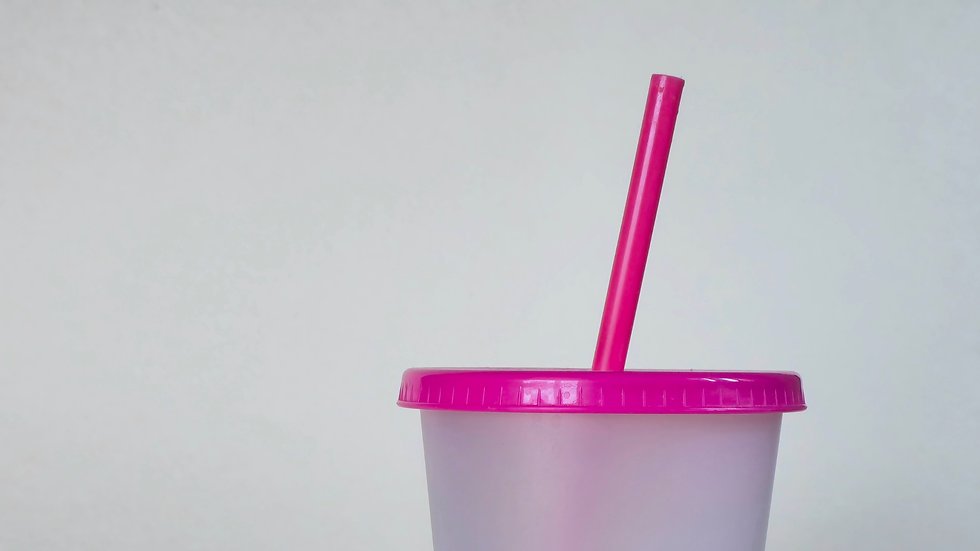
Visual cues can make a meaningful difference. Placing drinks in the direct line of sight and in multiple locations around the home reduces the effort required to initiate drinking. Clear containers allow people to see what is inside, while colorful cups can be easier to notice and more appealing. Straws should be easy to see and use, and cups should be lightweight and comfortable to hold. You may have to do some experimenting to figure out what works best for you.
Frequency vs. Quantity: There Is No One Right Way
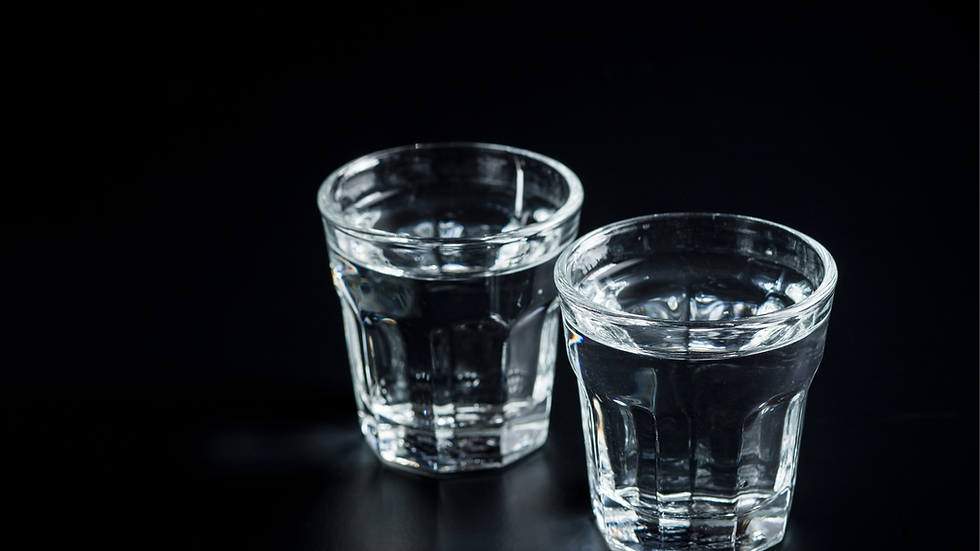
There is no single correct strategy for how much or how often to drink. Some people do better with very small amounts offered frequently throughout the day. Others prefer a fuller cup that they can sip slowly over time. Tiny cups, even tall shot-glass sized ones, can be surprisingly effective because finishing them feels achievable. The key is experimentation and flexibility. Not to sound like a broken record, but what works for one person may not work for another, and preferences may change over time.

Keep it Social!
Simple social cues can make staying hydrated easier and more enjoyable. If you are reading this as a caregiver, ahem, please take a quick pause to think about your own hydration too. Many of us could use the reminder and incentive to drink more water.
Instead of asking, “Do you want something to drink?” or “Are you thirsty?” try making drinking a shared activity. Saying “Cheers!” and drinking together, proposing a toast, or offering two options and letting someone choose a favorite can all help. People like to feel useful, and a casual, “Can you help me finish this so I can throw it away?” or simply handing over a drink with, “Here you go,” often works better than asking permission. Letting someone keep the drink and then walking away can reduce pressure. Avoid power struggles and try to keep it light and social whenever possible.

Make It Taste Good
Plain water can feel boring or unappealing, and that’s okay. Small tweaks can make a big difference. Practice your mocktail skills by adding a splash of juice, citrus, berries, cucumber, or other fruit. Herbal tea works well too, served warm or cold depending on preference. Some people find slightly warm drinks easier to tolerate, while others are more likely to sip lightly flavored sparkling water. Broths and soups count as fluids and often feel more comforting than just another drink. Just find something they enjoy, because if it tastes good, they are far more likely to drink it.

Don’t Forget Hydration From Food
While food cannot fully replace fluids, it plays an important supporting role. Foods with high water content, such as cucumbers, celery, lettuce, zucchini, watermelon, strawberries, grapes, oranges, yogurt, cottage cheese, soups, broths, tomatoes, peppers, and spinach, can meaningfully contribute to hydration. On days when drinking is particularly difficult, these foods help support fluid intake.

Seek to Understand Preferences and Resistance
There is no universal solution and everyone deserves personalized care. If someone resists drinking, it is important to understand why before pushing harder. Common reasons include fear of incontinence, feeling too full, discomfort swallowing, cold drinks being unpleasant, or simply not liking the taste. Once the reason is clear, the approach can be tailored.

Special Considerations
Some people develop aversion to fluids after coughing or choking, especially if swallowing becomes difficult. In these situations, it is important to ensure the person is sitting upright, to go slowly, and to use thickened liquids if recommended. Supervision or assistance may be needed, and guidance from speech-language pathology should be followed when involved.
Certain medical conditions, such as heart failure or advanced kidney disease, may require fluid restrictions. In these cases, it is essential to follow healthcare provider guidance, ask how fluids should be distributed across the day, and avoid assuming that more is always better.

Conclusion
Staying hydrated with dementia works best when it feels seamless and low pressure. Simple routines and a tailored approach can meaningfully reduce medical complications related to dehydration, improve day-to-day comfort, and make life with dementia more manageable. Cheers!

Use Simon to Build Hydration Into Your Routine
At Simon, we’ve learned that one of the biggest sources of stress for people living with dementia and their care partners is not knowing what comes next or how to keep the basics on track. That uncertainty can make even simple care feel overwhelming.
So we've built decades of research into our app, to help guide and coach people living with dementia, and their care partners, on staying healthy, happy, and living the lives that they want to live. Through reminders, notifications, and nudges, we keep you on track, feeling confident that you're doing what you can.
Underlying this science-backed coaching, we combine three tools for families to coordinate, reduce mental load, and support autonomy:
A shared task list, so everyone involved can stay aligned on essentials like groceries, medications, and household needs.
An interactive map with location tracking and geo-specific notifications, alerting everyone to emergencies, and keeping the family up to date on where they are and where they’re meant to be, without constant check-ins.
A shared calendar connected to the map, providing reminders for upcoming appointments and alerts for missed ones, helping daily structure stay intact.
By bringing these tools into one central, easy-to-use space, Simon helps ensure no one is navigating daily life alone, whether that’s getting from point A to point B, staying socially connected, or keeping the home running smoothly.
Simon is here to support the basics of daily living, so families can spend less time managing logistics and worrying about emergencies, and more time focused on connection, confidence, and quality of life.
Whether you’re just beginning this journey or already deep in it, you don’t have to figure it out alone. Download the Simon App or Join our community of Simon App Testers.


Comments