From an ER Nurse: 8 Things to Have Ready for an Unexpected Hospital Visit
- Rachel Whyte
- Dec 5, 2025
- 4 min read

Even with the best planning, emergencies happen. A sudden illness, a fall, or a change in behavior can mean an unplanned trip to the hospital. When that happens, being prepared can make the experience less stressful for both you and your loved one.
As an Emergency Department nurse, I’ve seen how small things like uncertainty about the name of a home medication, a forgotten hearing aid, or a dead cell phone can make a difficult situation even harder. Here are some items and information to keep readily available in case an unexpected hospital visit arises.

1. Medical Information
While most hospitals use Electronic Medical Records, it’s still important to have your own up-to-date information. Systems don’t always communicate seamlessly, things change frequently, and small details can make a big difference.
Keep a printed or digital document that includes:
Medical diagnoses and surgical history
Allergies and any past adverse reactions
Medication list (name, dose, timing, and purpose)
The care team will want to know if medication is being taken consistently or if there are some missed doses.
It is also important to know/note if medications need to be taken a certain way (e.g., with applesauce, one at a time, etc.).
Time is funny in the ED, and you may have to remind the care team that certain medications (e.g., evening medications) are due if you've been there a while. They will want to order and have the nurse officially administer medications. Please resist the urge to administer them yourself.
Mobility aids or limitations
Do you need a cane or a walker? If so, where is it? Do you need to borrow one?
Advance directives and power of attorney information
Consider keeping this in a folder or digital note that’s easy to grab or share. Having it ready can save valuable time in an emergency.

2. A Way to Take Notes
Emergency visits can be overwhelming. You may hear new medical terms, meet multiple providers, and need to remember follow-up instructions. Bring a small notebook or use the notes app on your phone to jot down:
Before:
What led to the visit (timeline of symptoms or behavior changes).
During:
Key updates or explanations from staff. Please, don't be afraid to ask them to repeat information or spell out medical jargon or medications.
Questions you want to ask the care team, including questions family members may have.
After:
You should get discharge instructions, but it can also be helpful to write follow-up and home care instructions down in your own words.
These notes are invaluable when you later talk with primary care providers and other family members.

3. Warm Clothing
Hospitals are notoriously chilly, and patients are often changed into hospital gowns for examination. While blankets may be provided, having a familiar, small blanket, sweater, or scarf that can easily be thrown over a gown can help you feel comfortable and grounded. Bring one for visitors, too! This is especially true in warmer months, where summer clothing is no match for our AC!

4. A Cell Phone Charger
It’s easy to underestimate how long a hospital visit might last. Batteries drain quickly when you’re using your phone for updates, navigation, and communication. Keep a spare charger or portable power bank in your bag or glove compartment so you never have to worry about losing contact when it matters most.

5. Communication Aids
If needed, make sure you bring glasses, hearing aids, and/or dentures, and that they stay within reach. These items are essential for comfort, safety, and communication. Furthermore, uncorrected sensory impairment leads to increased delirium in a hospital setting. Let the care team know if you or your loved one has difficulty hearing or seeing, and share any strategies that help them communicate effectively (for example, “She hears better on the left side” or “He needs extra time to respond”).

6. Comfort and Familiarity
A few small personal items can go a long way toward reducing anxiety.
Consider bringing:
A family photo, small blanket, or favorite sweater
Snacks or bottled water, but please note that patients should not eat until medically cleared to do so.
A list of grounding strategies for staff to use (e.g. familiar music, reassurance, favorite phrases).
These reminders of home can help maintain orientation and comfort, especially for people with dementia who may become confused in new environments.

7. Identification and Insurance Information
Even if you think the hospital has it on file, carry IDs, insurance cards, and emergency contacts. This ensures smooth registration and prevents delays in care.

8. Entertainment
Hospital visits can last much longer than expected, and long stretches of waiting can be difficult for both patients and caregivers. Bringing simple distractions can help pass the time and reduce stress.
Helpful ideas include:
A tablet or smartphone loaded with favorite shows, calming music, or audiobooks
Headphones or earbuds (noise-cancelling if possible)
Crossword puzzles, magazines, or easy-reading books
A small fidget item or stress ball to occupy restless hand
Even brief, familiar entertainment can help ease anxiety and make the environment feel less intimidating for someone with dementia.
Other items that may be helpful: Hand sanitizer, face masks, briefs, a spare change of clothes, earplugs, an eye mask, a toothbrush and toothpaste, etc.
Final Thoughts
You can’t predict every emergency, but a little preparation can make a big difference. Having key information and comfort items ready allows you to focus on what's most important: supporting your loved one through a stressful moment.
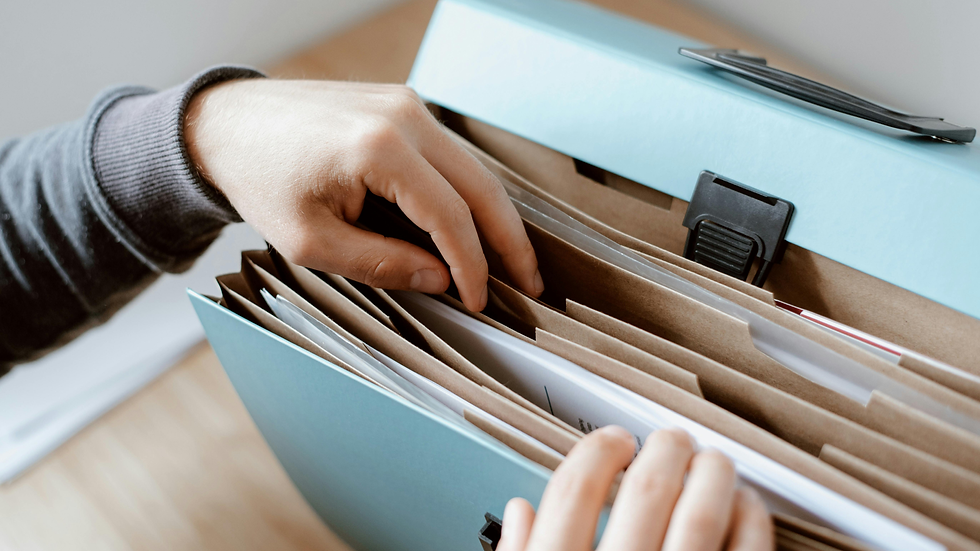
Consider keeping a “Go Folder” (digital or hardcopy) and small bag with these essentials near the front door or in your car. Review it every few months to make sure everything is current.
Preparation won’t take away the stress of an emergency, but it can transform chaos into calm and help receive safer, more personalized care when it matters most.


Comments